Real-Life Design: Designing for How You Actually Live

Let’s start with why Pinterest homes don’t work in real life..
There’s a reason so many homes look beautiful in photos but feel frustrating to live in.
The truth is, many of the interiors we see online were designed for a photograph, not for everyday life. Perfectly styled living rooms, kitchens without appliances on the bench, and bedrooms that look like no one has ever slept in them. You’ll never see a hanging TV cable …. ever!
Pinterest and Instagram are fantastic sources of inspiration, but they don’t always reflect how people actually live. Real homes need to function first. That’s where real interior design comes in.
At Hue and Space, we believe great design starts with real life.
The Problem With “Pinterest Perfect”
Pinterest homes often focus heavily on aesthetics — colour palettes, furniture styles, decor trends — but they rarely show the practical decisions behind a well-designed home.
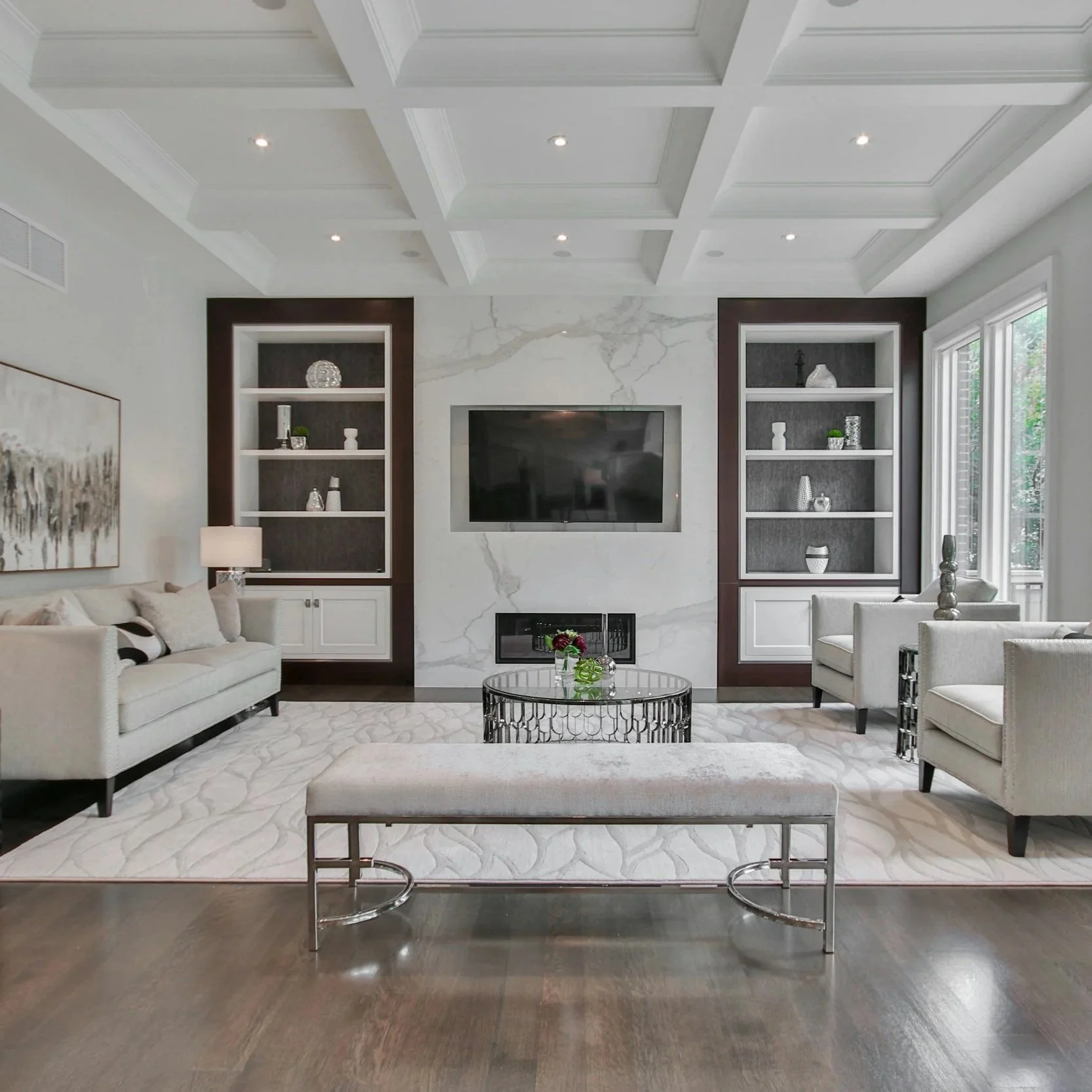
What you don’t see in those images are the questions that make a space truly work. Take this image as an example:
White on white on white? Obviously, you have no partner, kids or pets!
How comfortably can you watch TV?
Can you reach the coffee table?
Where do you charge devices?
Would you sit this far away from your guests?
Without solving these everyday needs, even the most beautiful room can become frustrating.
A kitchen might look stunning, but if the fridge, cooktop and sink are poorly positioned, cooking becomes awkward. A living room may look stylish, but if there’s nowhere to put throws, remotes, or everyday clutter, it quickly stops feeling relaxing.
Good design isn’t just about how a space looks — it’s about how it works.
Design Starts With Behaviour
One of the most important principles in interior design is simple:
Good design supports behaviour.
Before choosing colours, furniture or finishes, a designer needs to understand how people actually use their space.
Morning routines.
Evening routines.
Work-from-home setups.
Kids, pets, guests, hobbies, cooking habits.
These daily patterns shape the design decisions that follow.
For example:
A busy family kitchen needs different storage and bench space than a kitchen for someone who rarely cooks.
A living room used for movie nights needs different lighting and seating than a formal sitting room.
A bathroom used by teenagers has very different storage needs compared to a guest bathroom.
When a design reflects real routines, the home feels easier to live in.
Function Before Style
This is something we often discuss on the Inside Interior Design – Design Secrets Over Coffee podcast.
A room that works well usually follows four design pillars:
Function → Flow → Feeling → Finish
Most people start at the finish. They choose colours, cushions and furniture styles first because that’s what they see online.
But the order matters.
Function comes first: What does the space need to do?
Flow comes next: Can people move comfortably through the space?
Feeling follows: Does the room create the right mood or atmosphere?
Only then do we layer in the finish — the style and visual details.
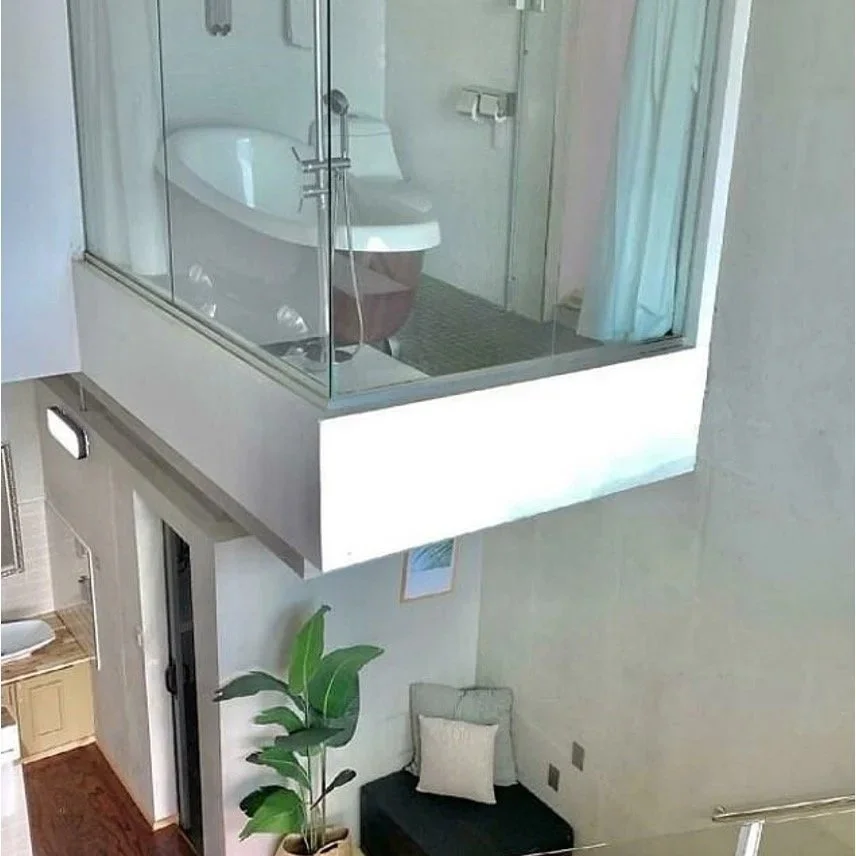
When these steps happen in the wrong order, the result is … well, just look at this image we found @boredpanda!
The Kitchen Is the a Great Example
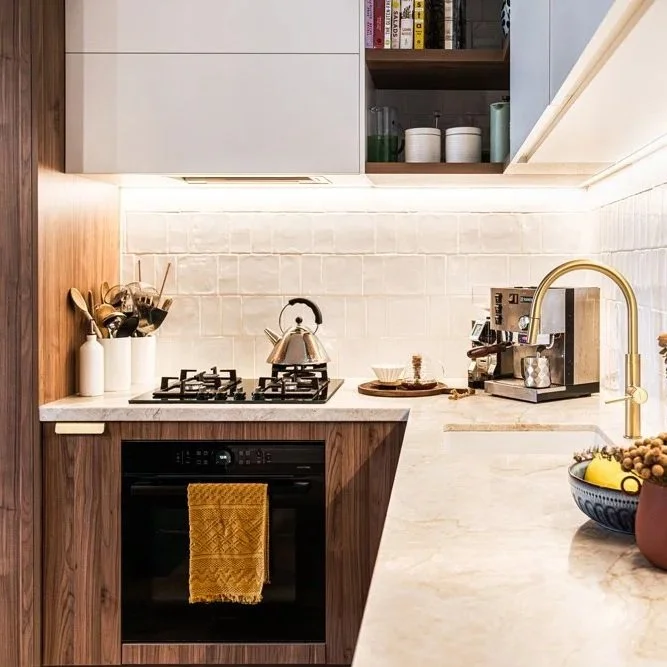
Kitchens are where this problem shows up most clearly.
Many Pinterest kitchens look incredible, but when you look more closely, the layouts often ignore how kitchens actually work.
A common mistake is placing key appliances too close together. If the cooktop, microwave and fridge are all in one tight section, multiple people can’t use the kitchen comfortably.
Professional kitchen design focuses on zones instead.
There are five kitchen zones that break the kitchen into functional areas:
Consumables – pantry and food storage
Non-consumables – plates, glasses and utensils
Cleaning – sink, dishwasher, bin
Preparation – bench space for chopping and cooking prep
Cooking – cooktop, oven and cooking tools
When these zones are planned properly, the kitchen becomes easier and more efficient to use.
It’s a perfect example of how thoughtful design improves everyday life.
Lighting Is Another Real-Life Detail
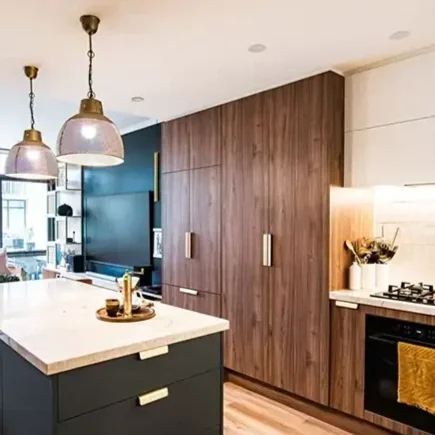
Another area where inspirational photos can be misleading is lighting.
Many rooms online rely on a single lighting source. Often harsh LED ceiling downlights. While it looks beautiful in photos, it doesn’t always work well in real life.
Every room should ideally include three layers of lighting:
General lighting – the overall light that illuminates the room
Task lighting – lighting for specific activities like cooking or applying makeup
Decorative lighting – the lights that add character and atmosphere
In kitchens and bathrooms, especially, task lighting is essential. Without it, shadows can make everyday activities more difficult.
This is the kind of detail that rarely appears in inspiration photos, but it makes a huge difference in how a space functions.
Designing for Your Life, Not Someone Else’s
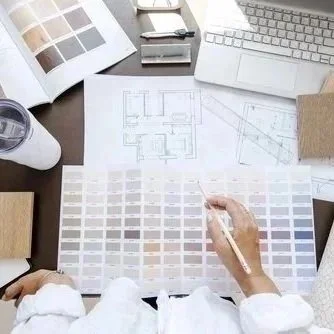
A beautiful home isn’t about copying what you see online.
It’s about creating a space that supports the way you live.
That might mean:
Storage where you actually need it
Seating that suits how your family spends time together
Lighting that supports both function and mood
Kitchens and bathrooms designed around daily routines
When design starts with real life, the result is something much more valuable than a pretty room.
It’s a home that feels comfortable, easy and genuinely yours.
The Goal of Real Interior Design
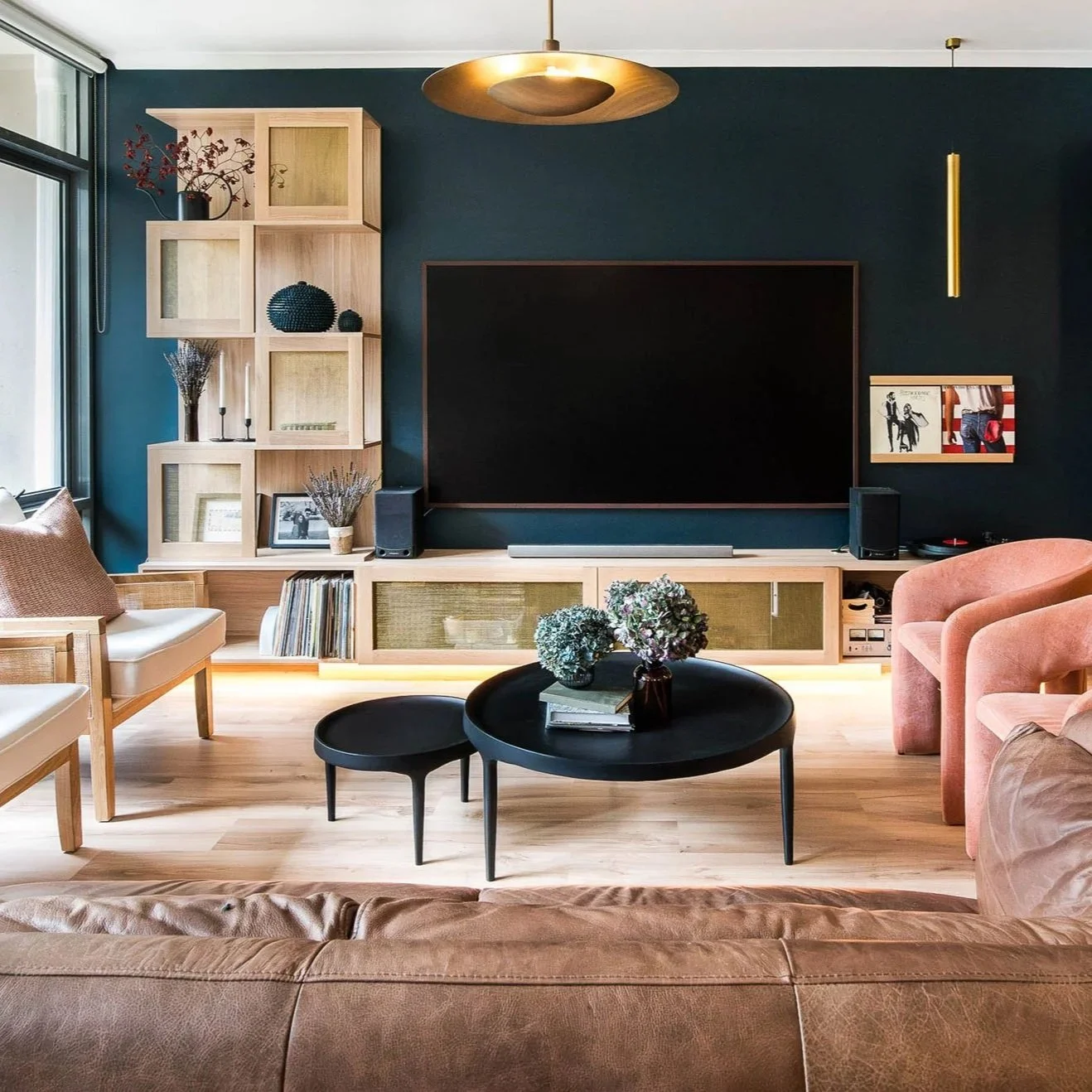
Interior design isn’t just about decorating.
It’s about solving problems and shaping spaces around people’s lives.
At Hue and Space, our goal is always the same:
To create homes that look great, feel good, and work beautifully every day.
Because the best interiors aren’t designed for Pinterest.
They’re designed for real life.

Join the Conversation
We talk about these topics regularly on our podcast Inside Interior Design – Design Secrets Over Coffee, where we unpack the practical side of interior design and answer the questions homeowners often have.
If there’s a design topic you’d love us to cover, we’d love to hear from you.
What design challenges are you facing in your home?