Why Your Living Room Layout Feels Wrong (And How to Fix It)
You’ve bought the sofa. Styled the cushions. Maybe even added a beautiful rug.
But something still feels… off.
The room doesn’t flow. Conversations feel awkward, or you’re constantly stepping around furniture instead of moving through the space naturally.
That’s not a styling problem.
It’s a layout problem.
Why does my living room feel awkward?
The Quick Answer: Your living room feels awkward because your furniture isn’t positioned for conversation, movement, or proportion.
The real issue
Furniture is pushed to the walls, so you’re sitting too far apart
This creates a “waiting room” effect. Fix: Pull furniture in and create a zone. If you have to raise your voice to talk, the layout isn’t working. Ideal: seating within ~2.5–3m for conversation.
Moving furniture into the room instantly creates a more intimate and conversational space.
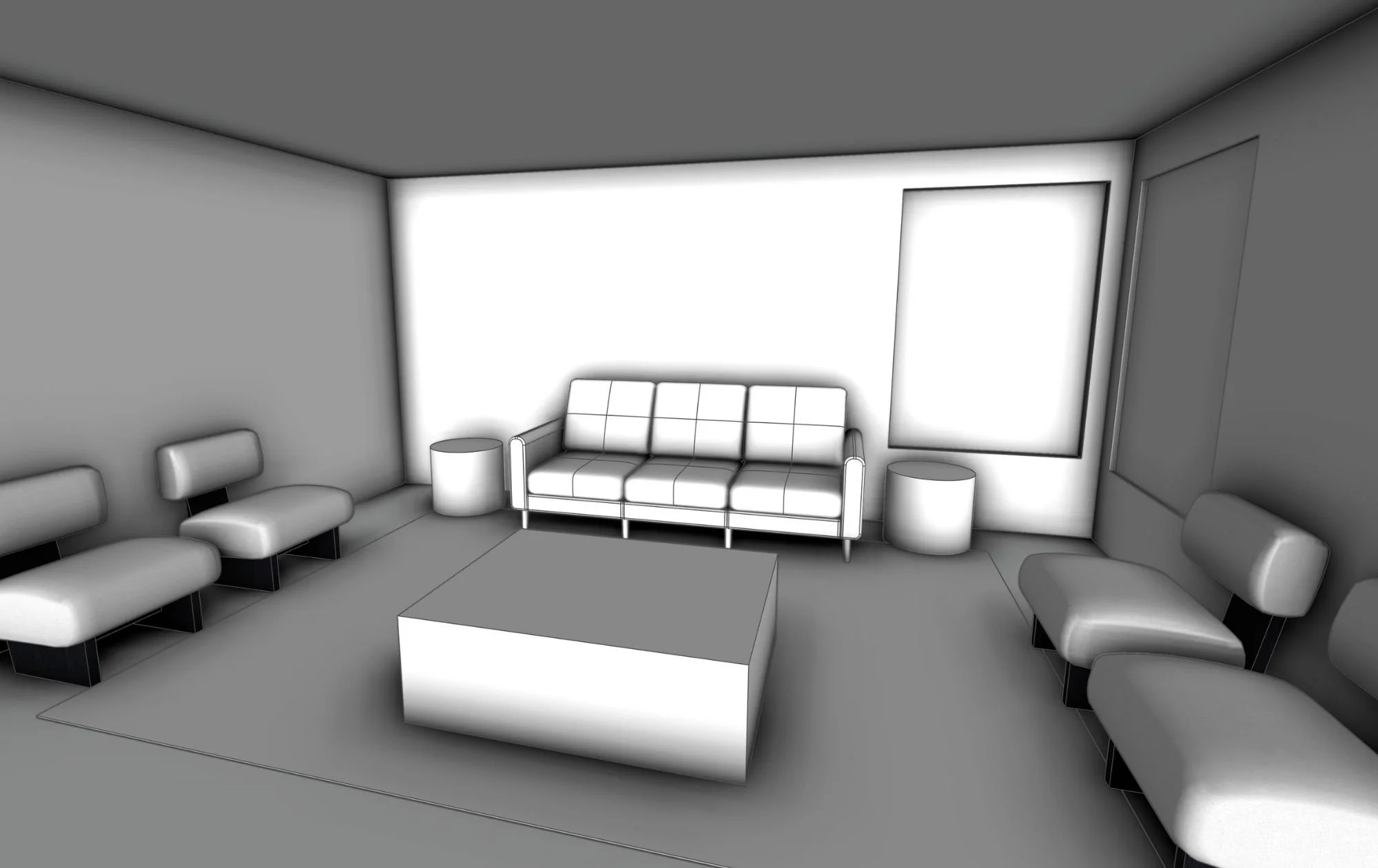
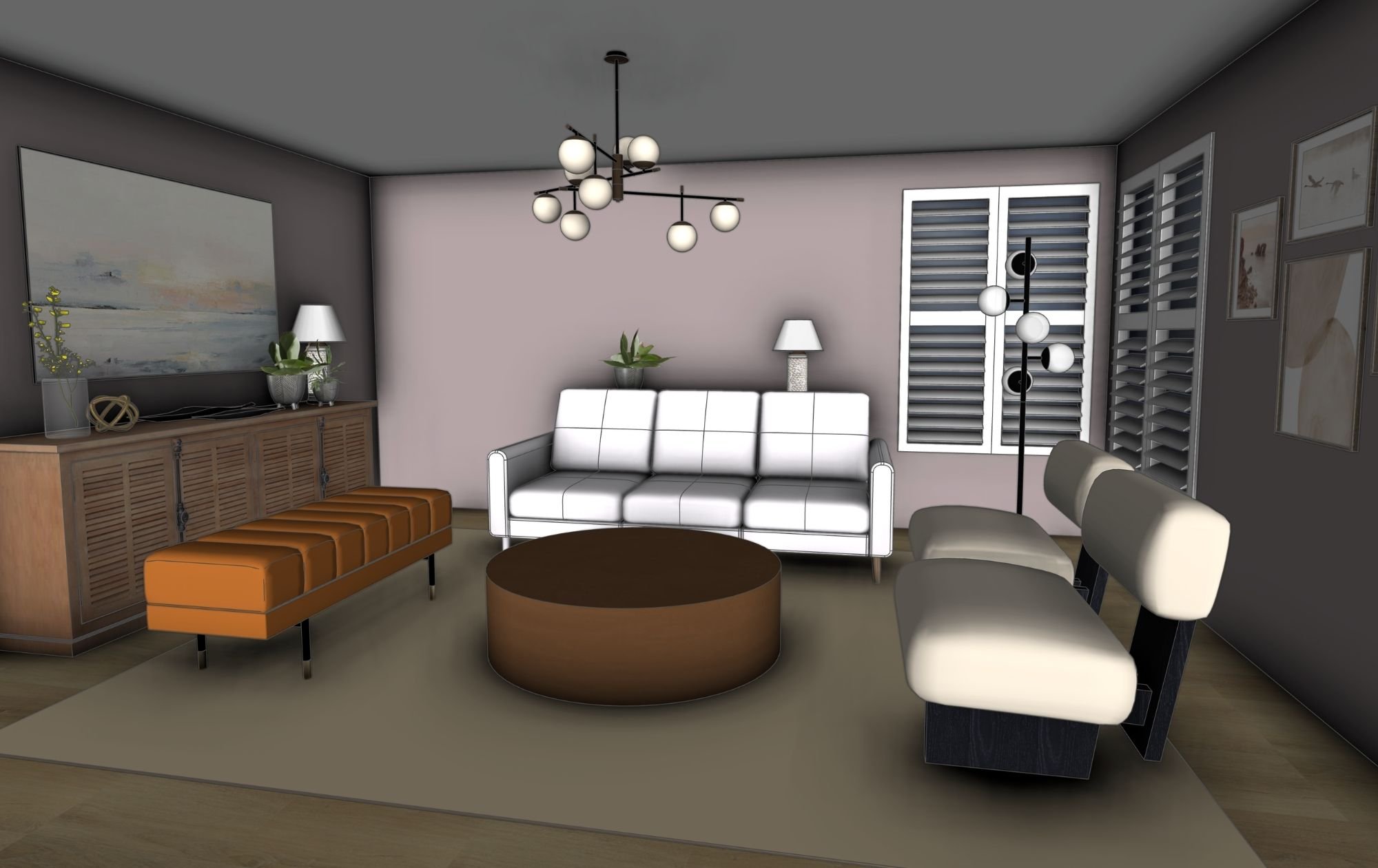
Look at these images.
Do you see that when furniture is pushed against the walls, it creates a flat, disconnected layout with a large empty void in the centre, making the room feel awkward and unfinished? Psychologically, our brains read this lack of structure and zoning as uncomfortable and unresolved, rather than calm and cohesive.
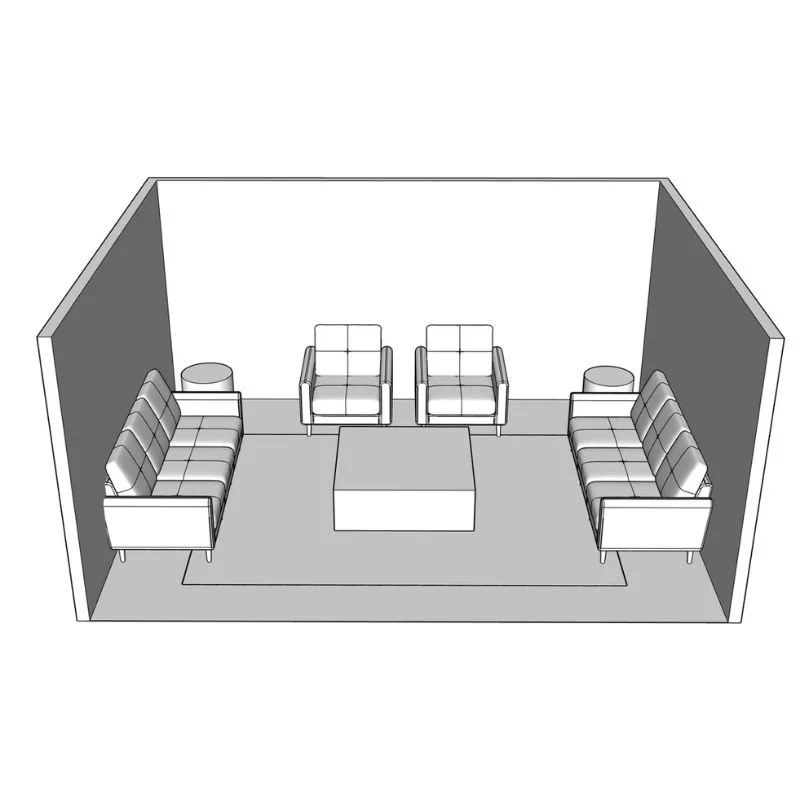
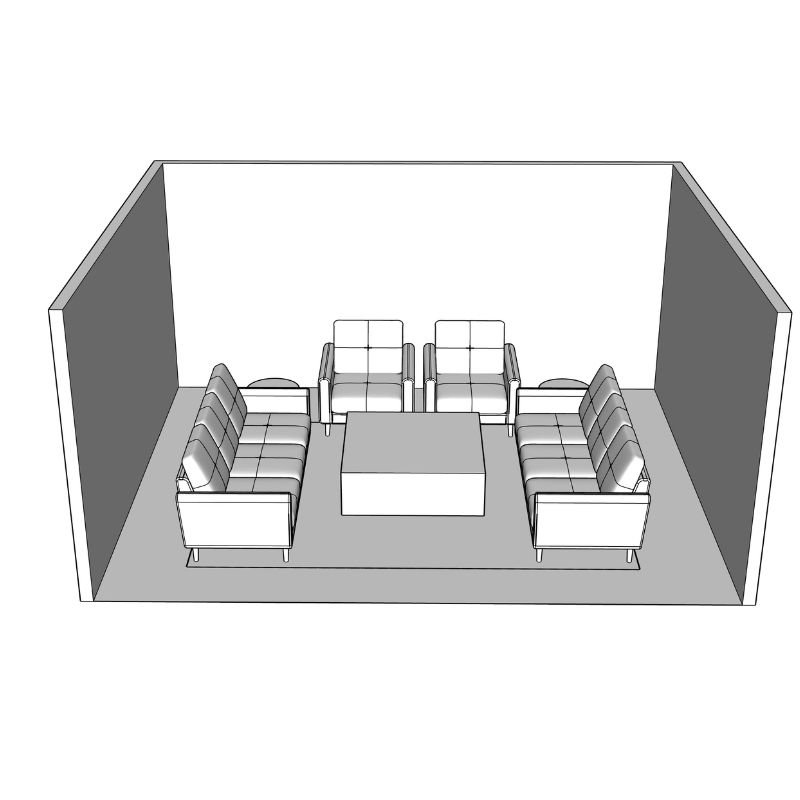
It feels backwards, right? Most people think pushing everything to the walls equals more space. But visually (and psychologically), the opposite happens.
Here’s what’s actually going on:
1. You create depth instead of a flat edge
When furniture is hard up against the wall, your eye reads the room like a box — flat perimeter, no layers. Pulling furniture forward creates a foreground and a background.
That tiny gap adds visual depth, which makes the room feel larger — not smaller.
2. It improves spatial flow
Design isn’t just what you see — it’s what you feel moving through a space. When everything hugs the walls, you get a big, empty void in the middle, and circulation becomes awkward and undefined
When furniture floats, you create intentional pathways, and the room feels designed.
3. It creates zones
Rooms feel bigger when they feel purposeful.
So pulling furniture off the wall helps define conversation zones, reading corners and TV viewing areas.
4. Your eye can “breathe”
That gap behind a sofa or chair acts as negative space, letting each piece be seen properly.
It stops visual clutter from building up along the walls.
5. It fixes the “bowling alley” effect
When everything lines the walls, you create long, uninterrupted sightlines. This makes rooms feel narrower and longer.
Floating furniture makes proportions feel more balanced.
6. Lighting works better
When furniture is off the wall, light can fall behind and around the pieces, creating shadows and layering.
That contrast creates depth, so the room feels larger.
Without this, the room feels like “A big empty space with stuff pushed to the edges”. Which actually feels smaller and less functional.
So..
A room doesn’t feel bigger because it has more empty space.
It feels bigger because it has:
Depth
Flow
Clear function
Breathing room
Why Furniture Scale Is So Important
Furniture scale isn’t just about size — it’s about how a room feels, functions, and flows.
Why does furniture scale matter?
The quick answer is that furniture scale matters because it affects how a space feels and how people move through it.
Mostly, whether the room actually works for real living.
It controls how big (or small) a room feels
Oversized furniture can make a room feel cramped and heavy.
Undersized pieces can make it feel empty and unfinished.
The goal is balance — furniture that fits the room
It affects movement and flow
If furniture is too large, walkways get blocked, people squeeze past things, and the room feels frustrating to use
Aim for 80–100cm clear walkways so movement feels natural.
It impacts how people interact
Scale determines how people sit, talk, and connect.
Ideal seating distance is around 2.5–3m max for easy conversation.
It makes or breaks layout (not styling)
You can have beautiful furniture…
But if the scale is wrong, the room will still feel “off.”
It creates visual balance
A good scale gives you proportion, harmony and a sense that everything “belongs”.
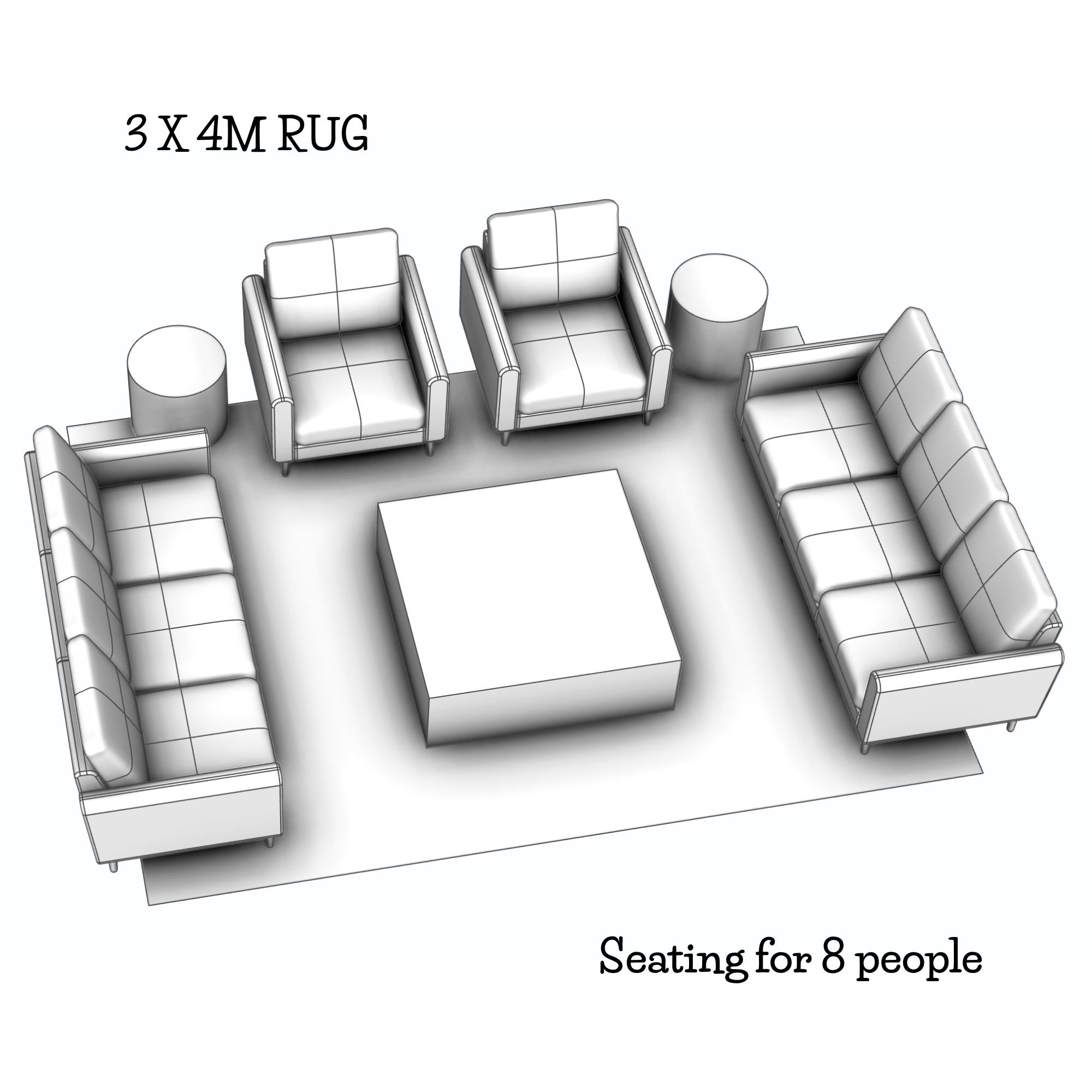
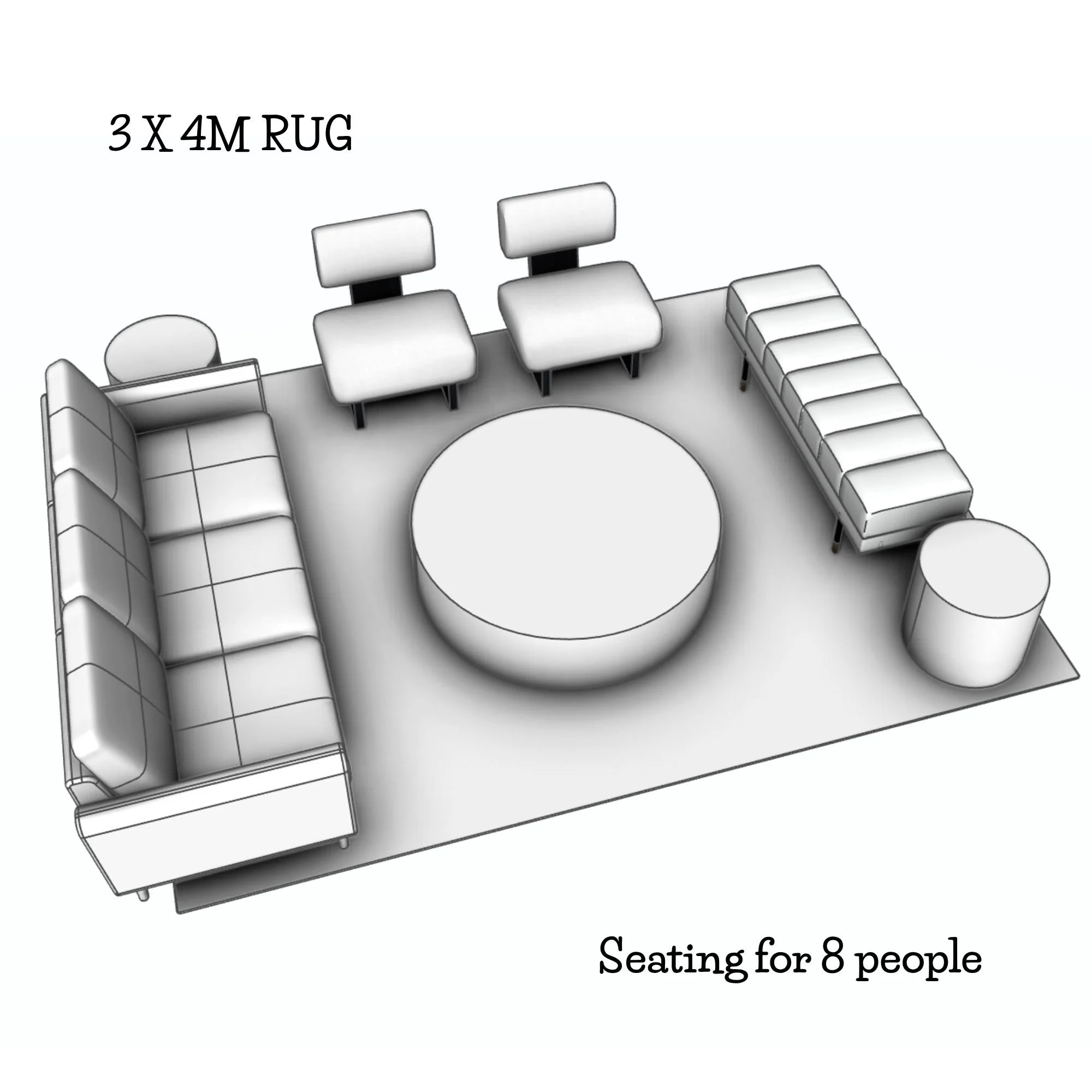
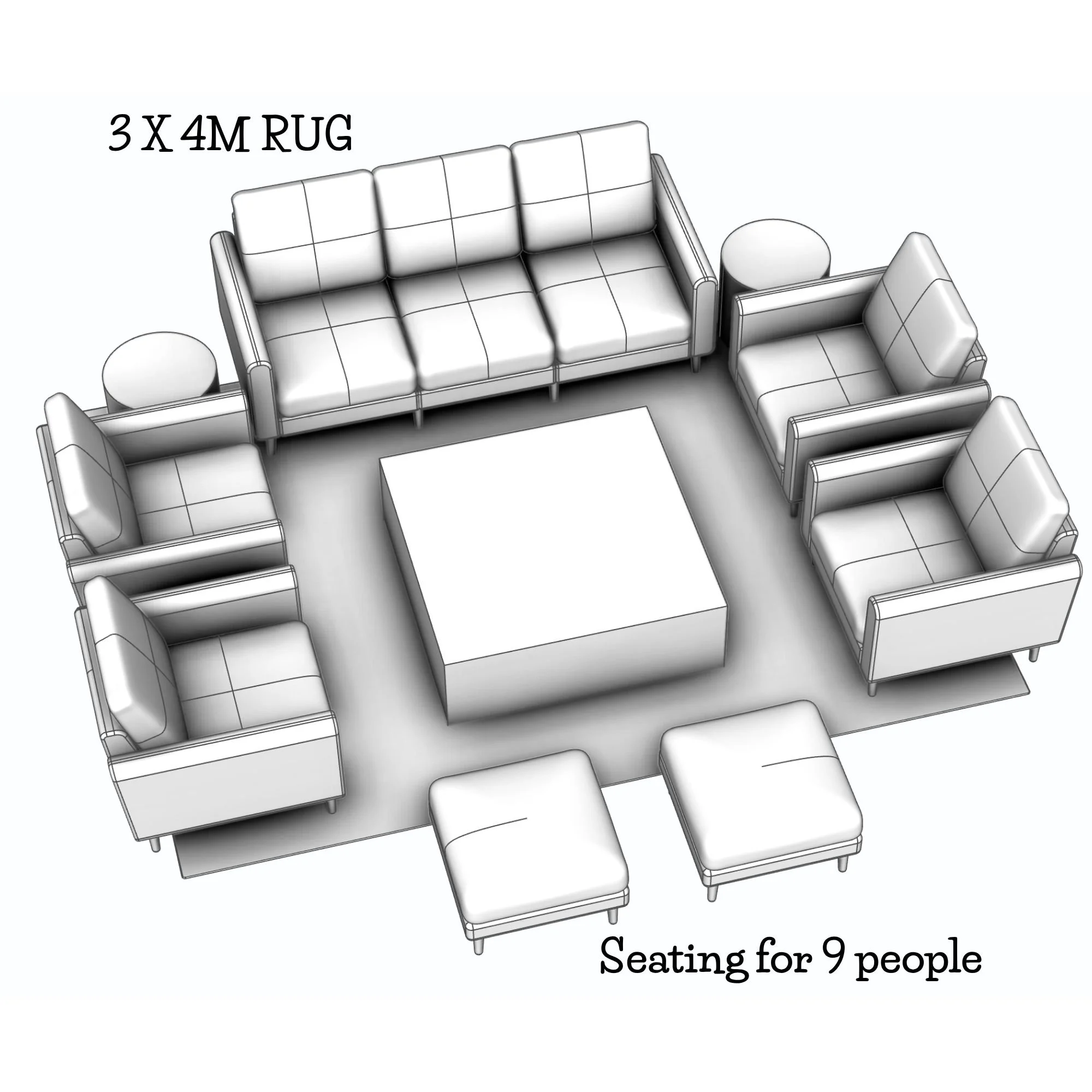
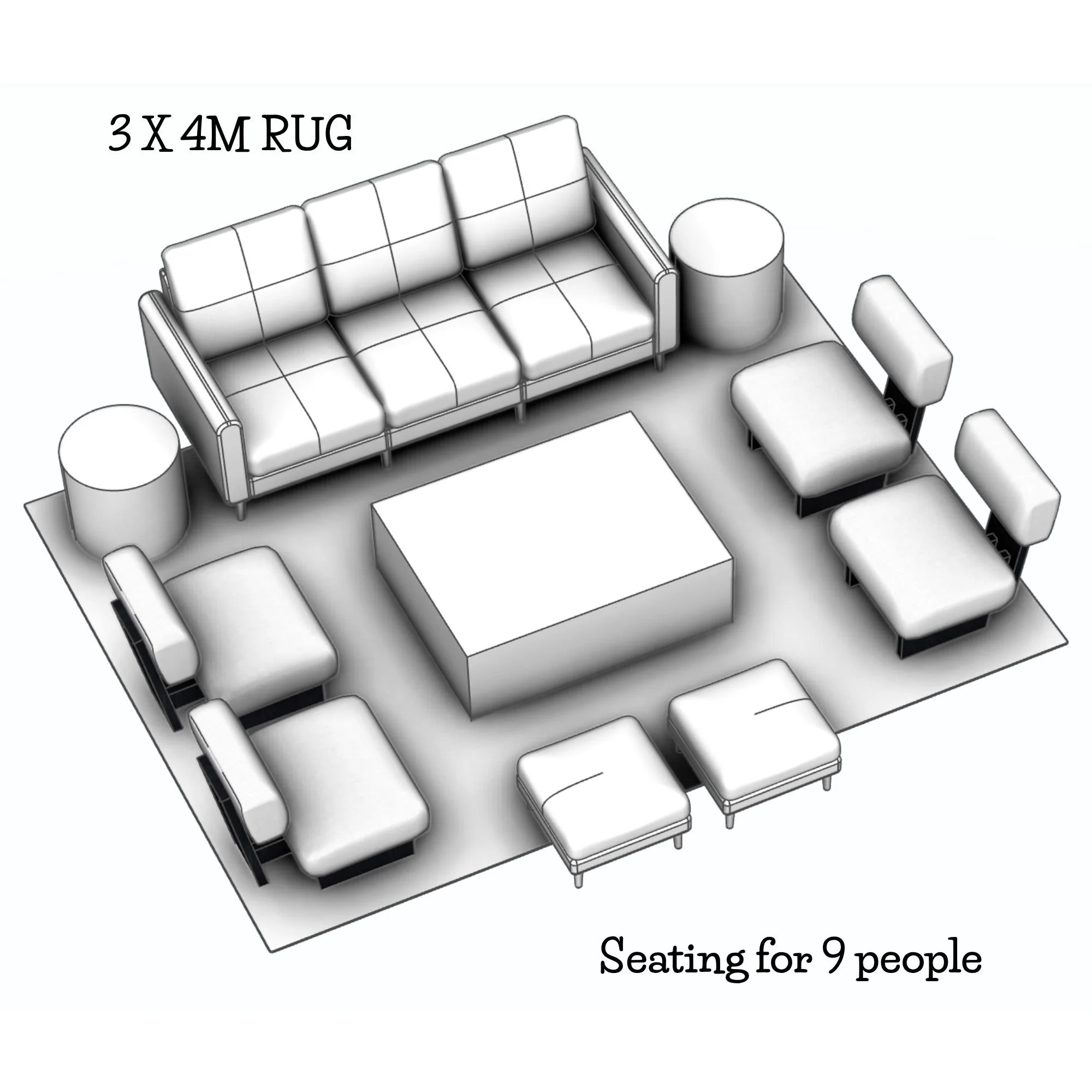
Real-life Test
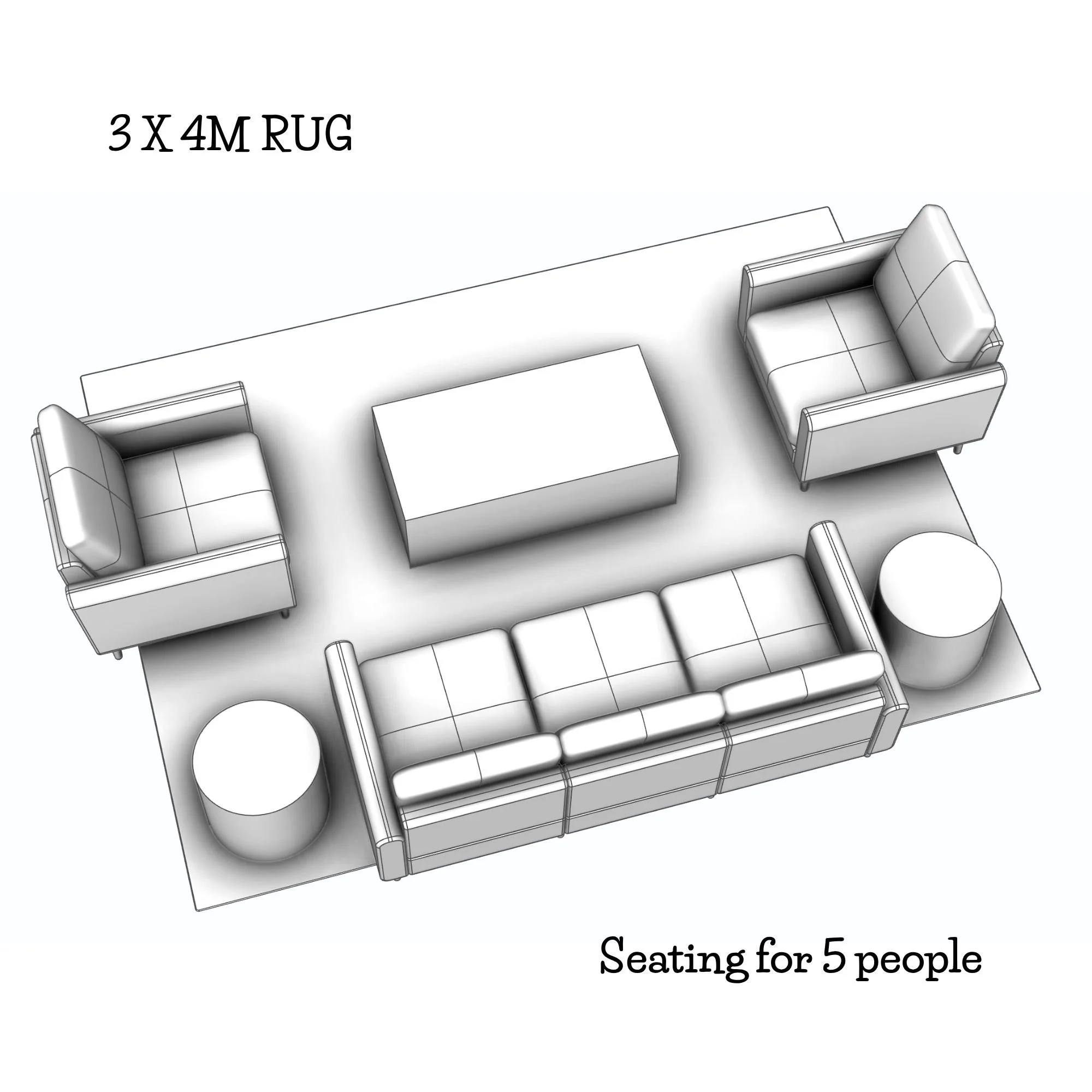
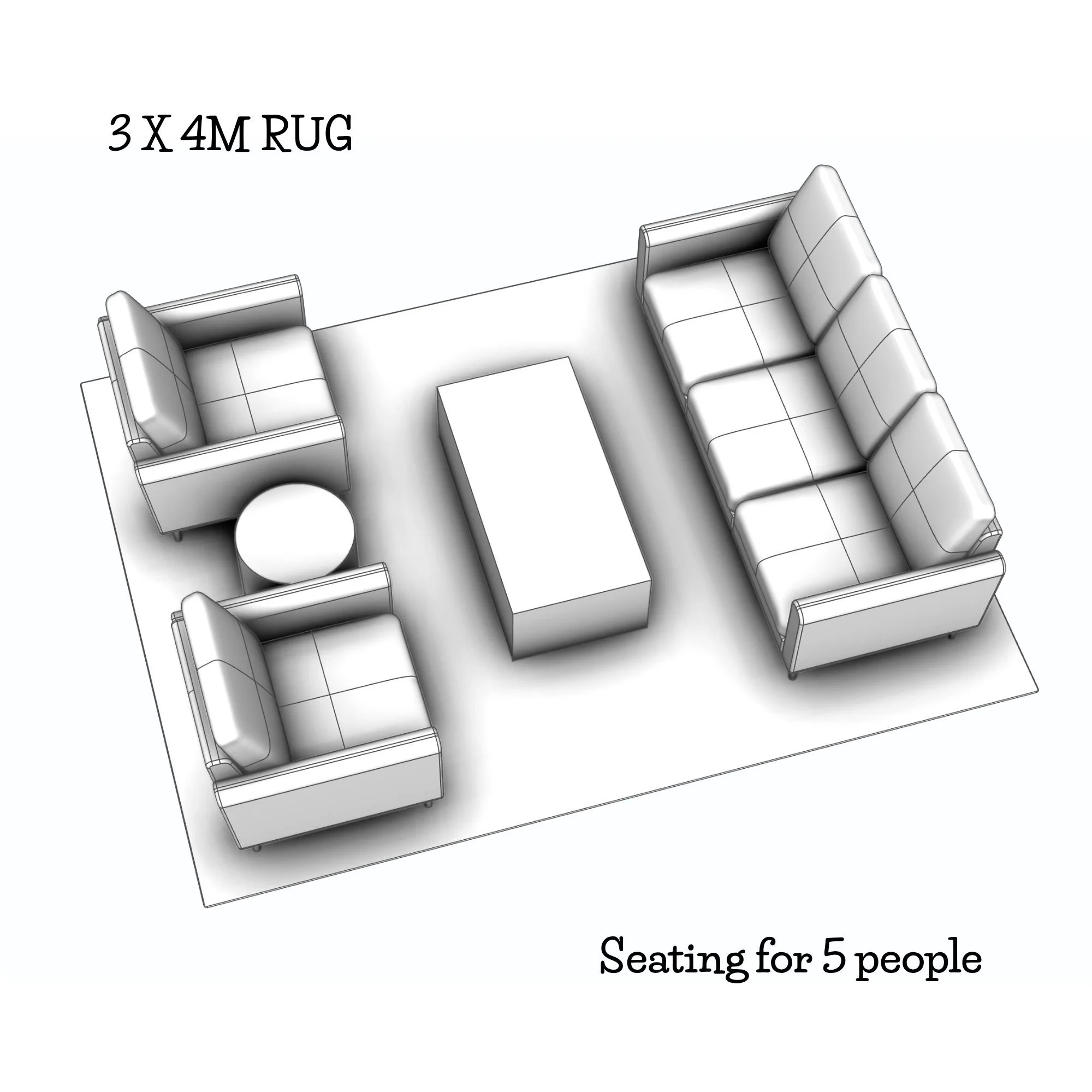
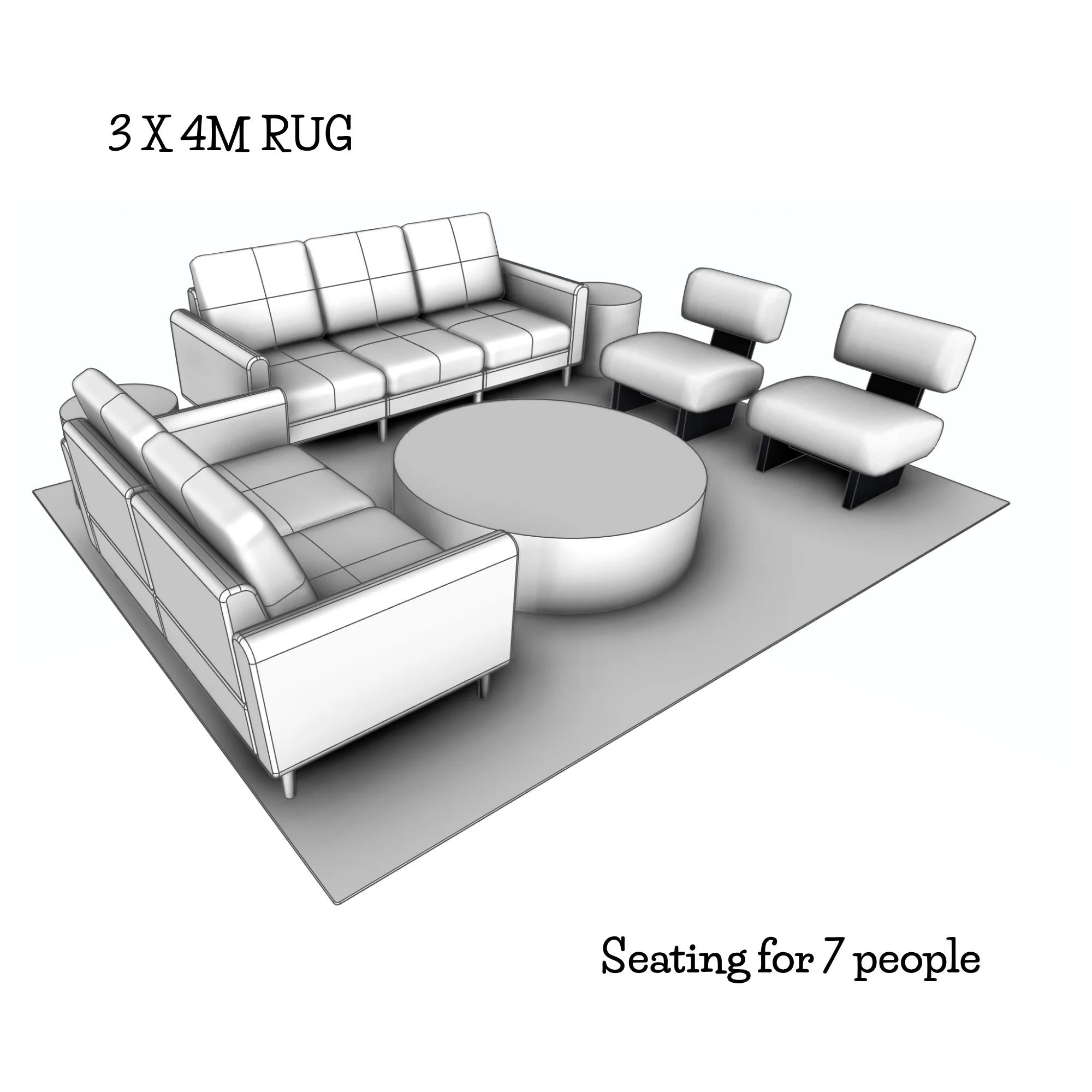
Check out the images above. Scale matters, but so does shape. Your choices can make a space feel more open and welcoming.
Furniture doesn’t just fill a space — it defines how the space works.
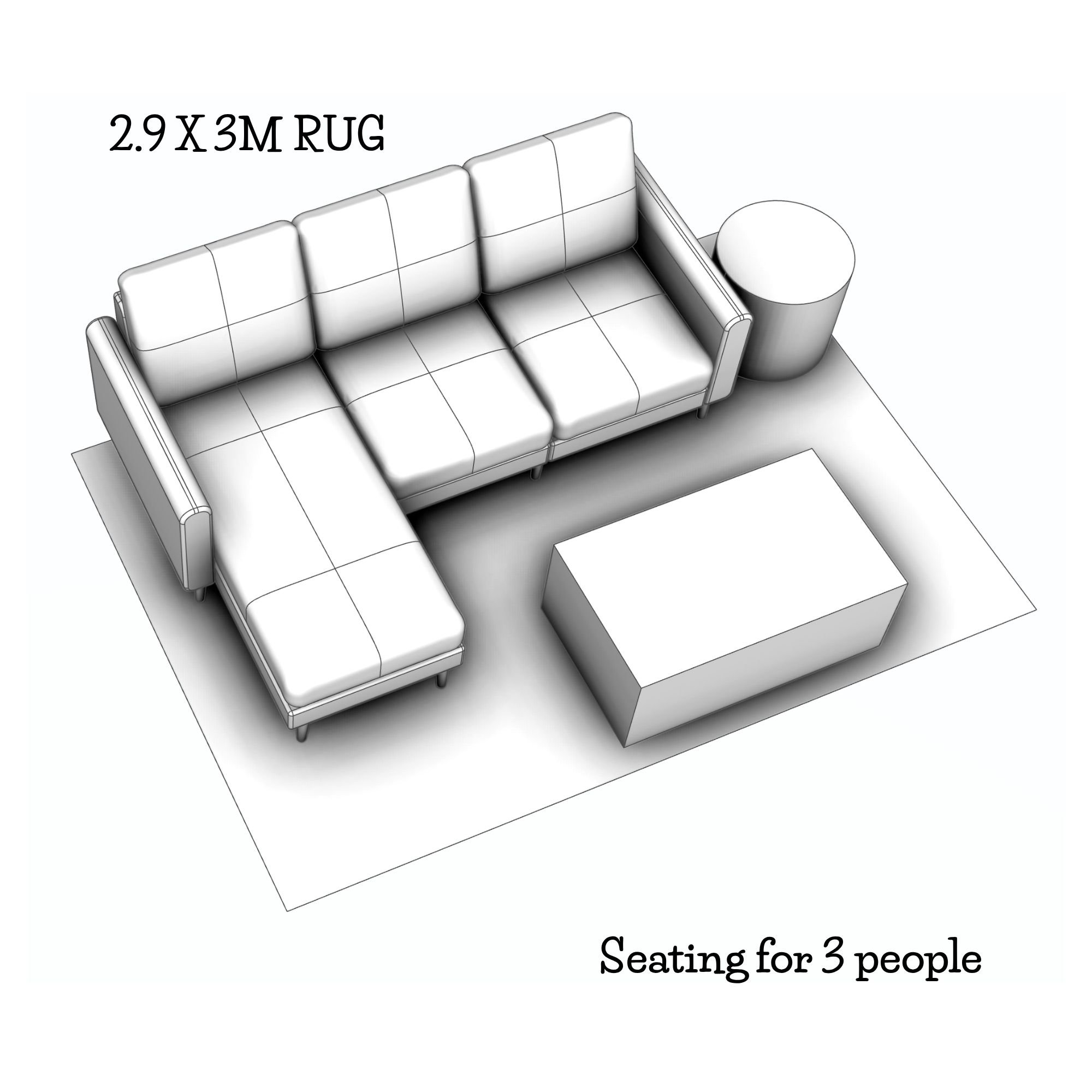
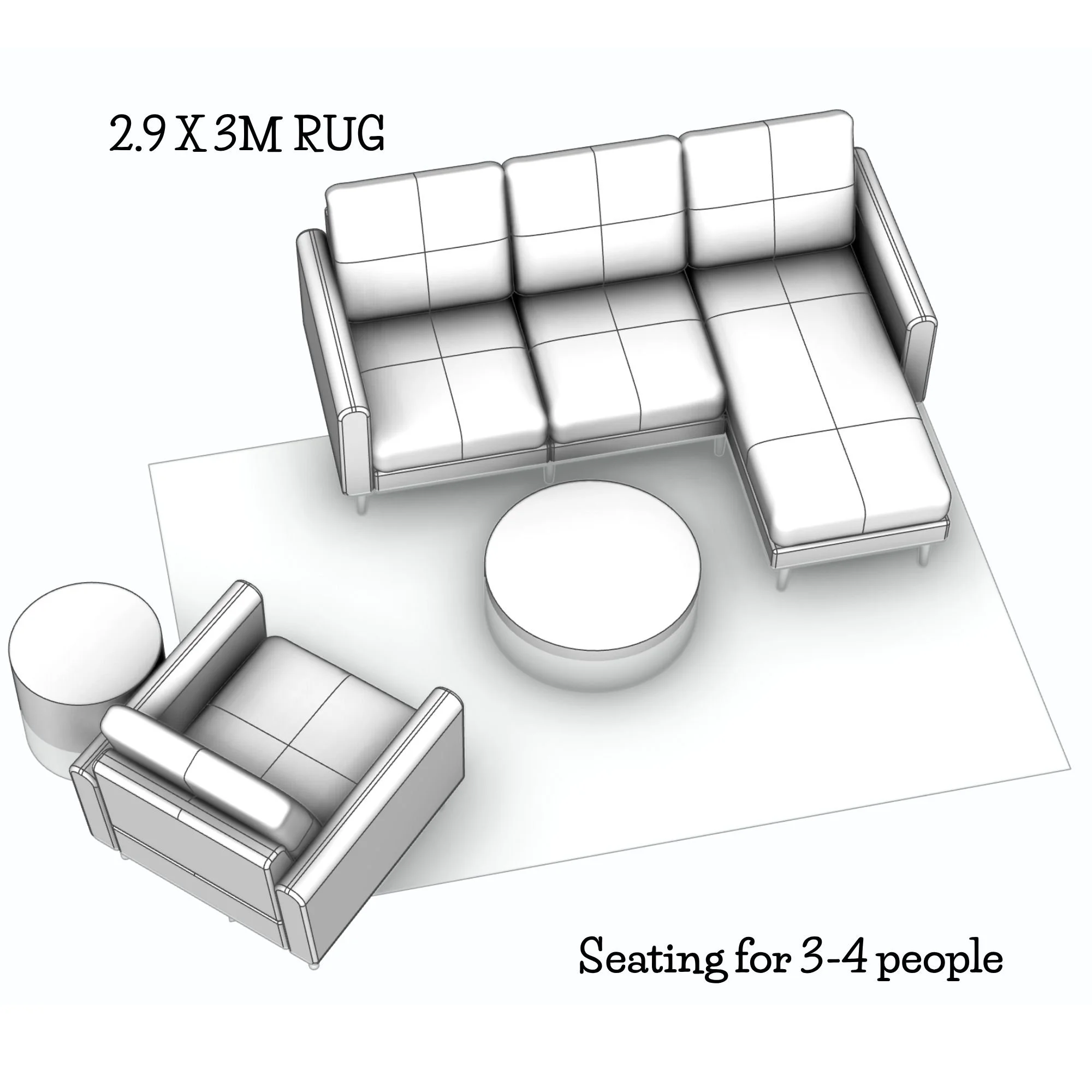
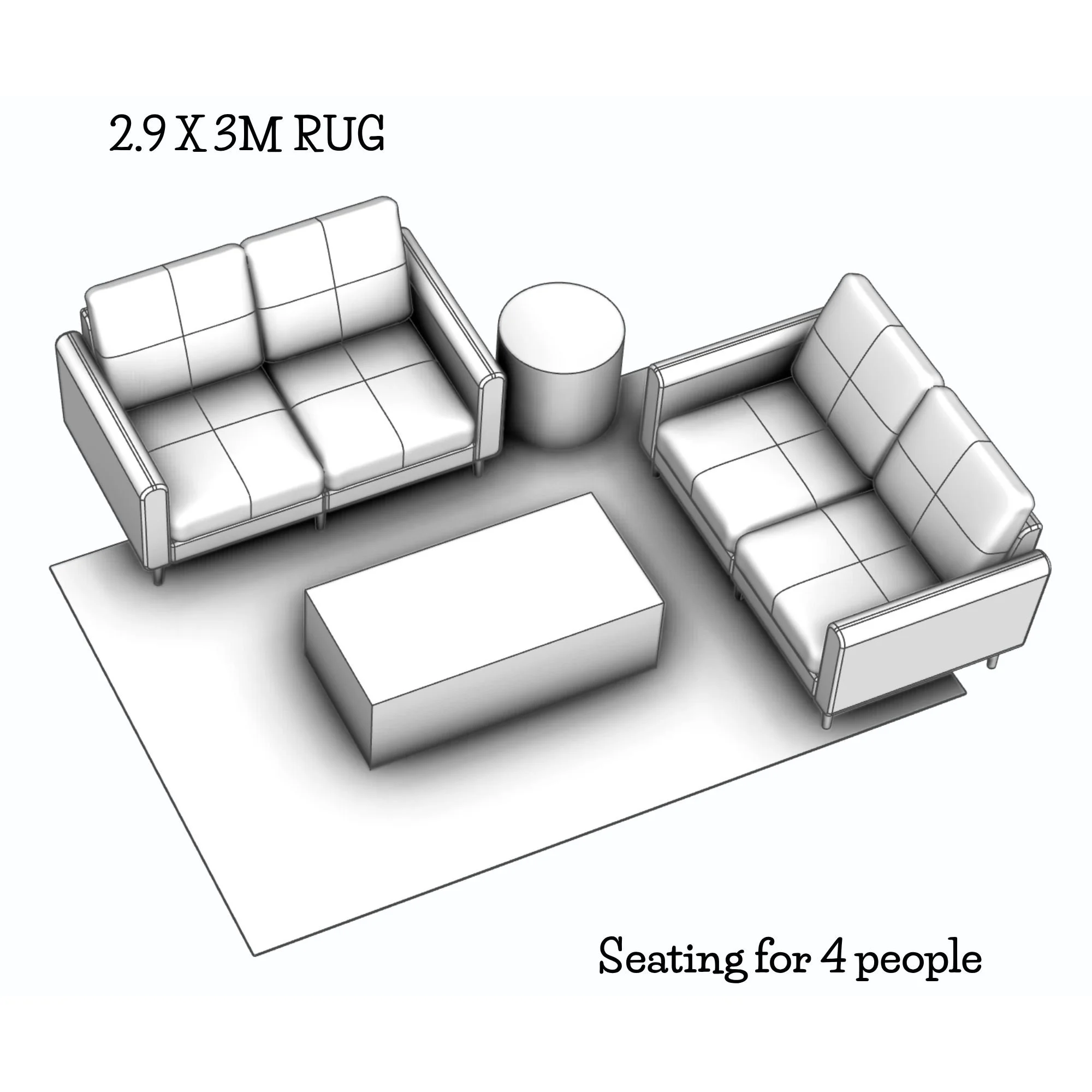
What a good layout actually looks like
Furniture grouped, not scattered
Clear walking paths
Visual balance (not everything facing the TV)
Zones that reflect how you actually live
The truth
A beautiful sofa won’t fix a bad layout.
But a good layout will make even a simple room feel incredible.
If your space looks good but doesn’t feel right — we can fix that. That’s literally what we do.